
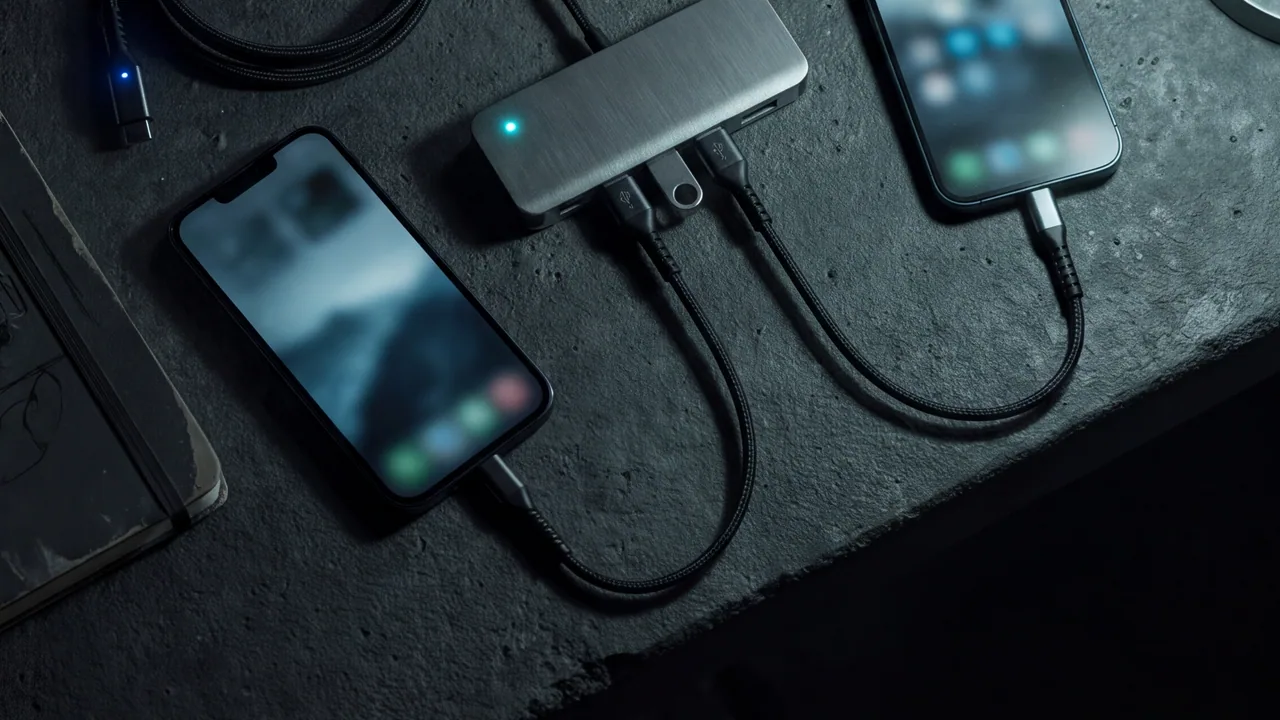

Property
Fox Valuations
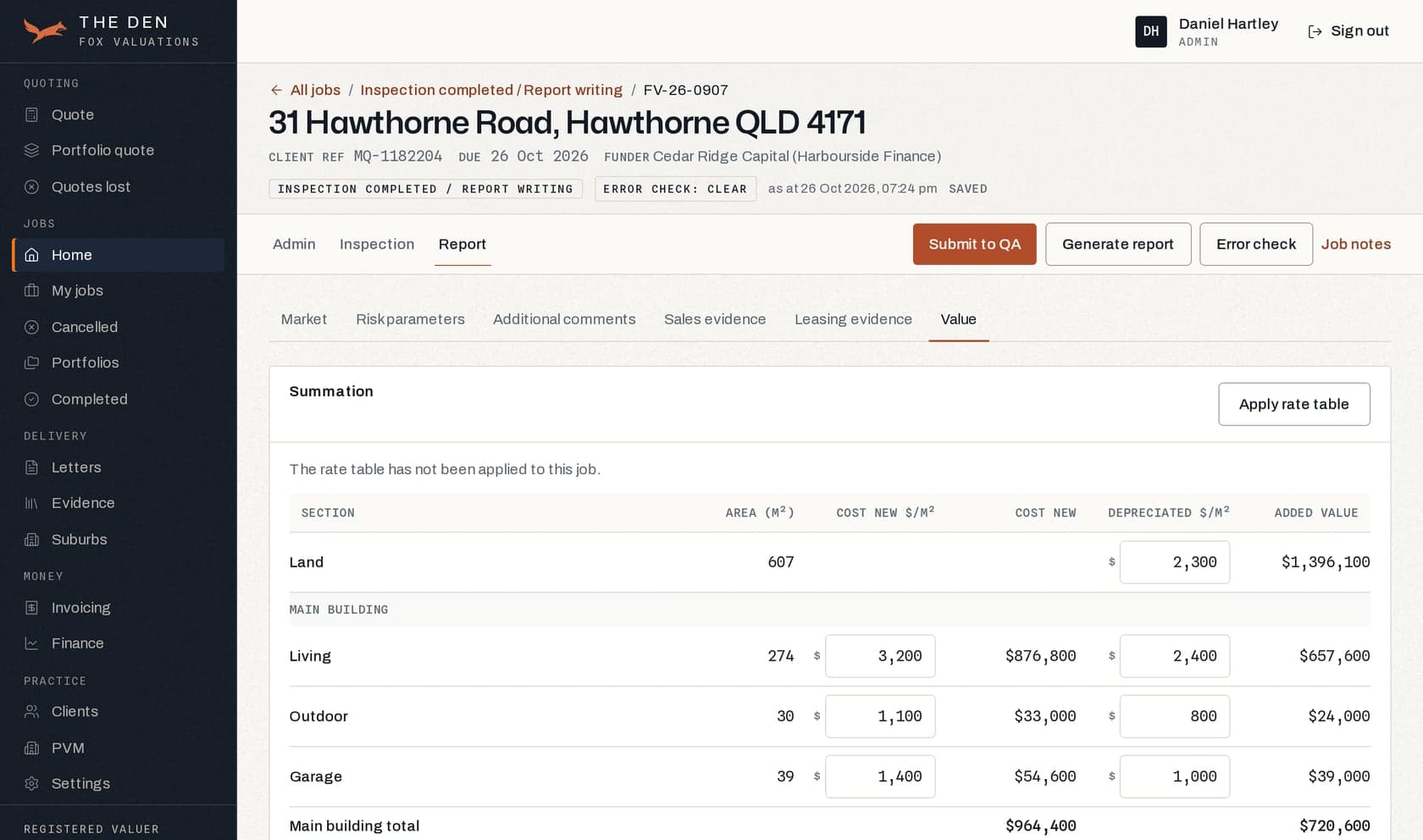
Every valuation, from inspection to invoice, runs through The Den.
Reports, sketch PDFs and fees come from the same job record in The Den.

Software engineering
Native iOS and Android apps, and the web and cloud behind them, built, released to the stores and run by the team that secures them.
At a glance
Overview
An app is a phone build, a store listing, an API, a database and a release pipeline. We build all of it, take it through App Store and Google Play review, and keep running it after launch.
Black Shard is an Australian software engineering and cybersecurity firm. Engineering is delivered Australia-wide, remotely as standard and on site where the scope needs it, by the team that hosts and secures what it ships.
Each app is built for the phone it runs on: the platform's own sign-in, notifications, camera, files and biometrics, and the behaviour its users expect on iPhone and on Android. A shared codebase carries what is the same on both where it fits, and native code takes over where the platform requires it.
Behind every app is an API, a database and usually a web app for the people who administer it. We build them in the same engagement, host them on Azure in an Australian region, and design the API so the phone and the browser share one set of rules.
Where an app holds data for more than one organisation, each one's records are kept apart in the database itself, so a query that leaves out its tenant still cannot read another's rows.
Release is part of the build. We hold the store listings, the signing and the review cycle, and every version ships through a pipeline that can roll it back.
The team that builds the app is the team that secures it. Threat modelling happens at design, secrets stay out of the app and the code, and the API checks every request against the user's role, because anyone holding a session can call it directly.
An app that holds sensitive data hides its content in the app switcher, asks for a biometric check after a timeout, and keeps nothing on the device it does not need.
Before a higher-risk release, the app's API and web surface can be tested by a reviewer with no part in the build, as a web application penetration test or a secure code review.
Aurii is among the apps in production with us today: specialists run rounds, notes, letters, orders and billing from it on iPhone, Android and the web, and every clinical record, recording and generated document stays in Australia.
SENTINEL, the race-weekend decision software from Black Shard Labs, runs native on Windows, iOS and Android. Jetstone, the cyber defence product we are launching in 2027, is designed around a phone-sized console.
A build is scoped and priced before the work starts, in writing: a fixed-scope build with a defined brief and delivery date, or an embedded team at a weekly ship cadence. Four things drive the scope.
Send a brief to info@blackshard.com.au or through the contact page with what the app is for and who will use it. Discovery follows, then we agree the shape of the build.
Property
Every valuation, from inspection to invoice, runs through The Den.
Reports, sketch PDFs and fees come from the same job record in The Den.

Financial services
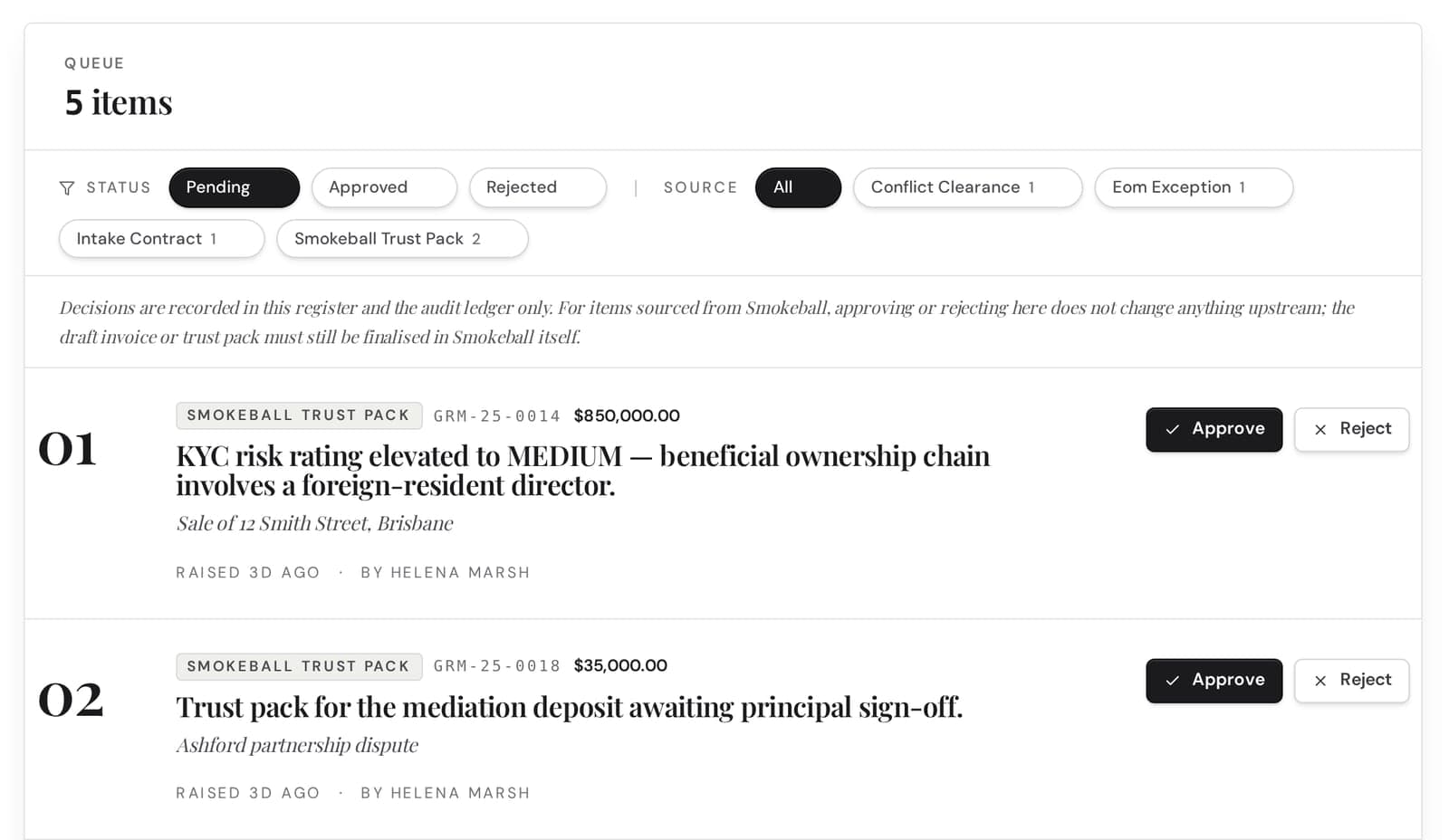
Staff, investors and the board work from one portal inside the licence perimeter.
Every investor is identity-checked through InfoTrack before they can proceed.

Health
Specialists run notes, letters, orders and billing from one app.
Every clinical record, recording and generated document stays in Australia.
From the newsroom
 Critical severity
 High severity
Both, decided per app. A shared codebase keeps the iPhone and Android versions in step where the platforms behave alike, and native code handles what each platform does its own way, such as background recording, notifications and biometric sign-in.
Yes. A takeover starts with a review of the codebase, the store accounts, the signing keys and the backend the app depends on, then a plan to bring it under our release pipeline, with a rebuild where that costs less than repair.
Yes. Our head office is at Riparian Plaza, 71 Eagle Street, and discovery workshops and design reviews can run there or at your office. Teams elsewhere in Australia work with us by video, at the same cadence.
We host the backend, hold the store listings, ship releases on a regular cadence and answer when something needs fixing, under a monthly engagement.